The Modern SEO Playbook for 2026

The Modern SEO Playbook for 2026
Search is still the #1 intent-driven channel. The difference in 2026 is how search engines understand and rank your content.
SEO is no longer about stuffing keywords or chasing every new hack. It’s about building a technically solid site, publishing content that genuinely solves problems, and proving to algorithms that real humans trust you.
This guide walks through everything you need to level up your SEO:
- What SEO actually is today
- On-page and content strategy
- Technical SEO foundations
- Off-page signals and digital PR
- How to measure and iterate
What SEO Really Means Today
Search Engine Optimization (SEO) is the practice of making your website:
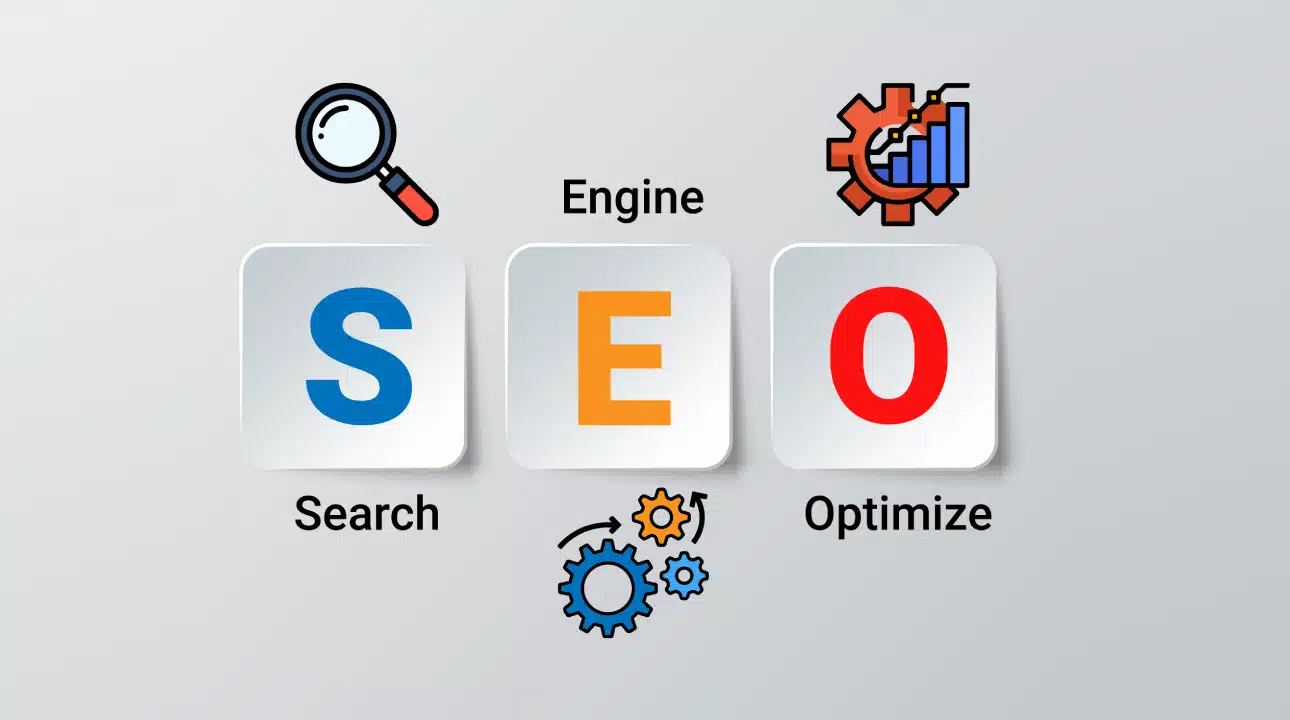 1. Discoverable – crawlers can find and index it 2. Understandable – algorithms know what each page is about 3. Valuable – users stay, engage, and convert 4. Trustworthy – other reputable sites are willing to recommend you
In short:
- Old SEO: “How do I game the algorithm?”
- Modern SEO: “How do I build the best answer for this search intent?”
On-Page SEO: Make Every Page Laser-Focused
On-page SEO is everything you control on the page itself.
1. Intent-Driven Keyword Targeting (H3 Example)
Instead of blindly targeting keywords, map each page to a clear intent:
- Informational: “what is technical SEO”
- Commercial: “best SEO audit tools”
- Transactional: “buy SEO audit for ecommerce store”
- Navigational: “techlance hub blog”
Good practice:
- One primary keyword (topic) per page
- 3–5 closely related secondary keywords
- Natural usage in headings, intro, and conclusion
2. Structural Elements (H4 Example)
Use your HTML structure to communicate the hierarchy:
H4 Example – How to structure a blog post
H1: The core topicH2: Main sectionsH3: Sub-points inside each sectionH4: Optional detail layers
Content That Actually Ranks (and Converts)
People don’t want content; they want solutions. Your job is to deliver those solutions in formats search engines can parse.
Use Formatting to Improve Readability
Search engines track engagement signals like time on page and scroll depth. You can improve both by:
- Using bold to highlight key ideas
- Using italics for nuance or emphasis
- Using ~~strikethrough~~ sparingly when updating outdated advice
- Breaking up walls of text with lists and tables
Example of inline code for technical SEO:
-
Add a canonical tag:
<link rel="canonical" href="https://example.com/original-url" />